Post-Winter Brake Maintenance: DIY Tips for Spring Care
Mar / 26Winter weather takes a serious toll on your vehicle's braking system. From salt corrosion to temperature fluctuations, the harsh conditions of Indiana winters can compromise brake performance and safety. As spring arrives, it's crucial to assess and maintain your brakes to ensure they're ready for the months ahead.
Visual Inspection of Brake Components
Start your post-winter brake assessment with a thorough visual inspection. Look through your wheel spokes to examine the brake rotors for signs of rust, scoring, or unusual wear patterns. Surface rust is normal after winter storage, but deep pitting or grooves indicate potential problems. Check the brake calipers for any signs of fluid leaks, which appear as dark, oily stains around the brake assembly.
Cleaning Salt and Debris Buildup
Road salt and winter debris can accumulate around your brake components, accelerating corrosion and affecting performance. Use a garden hose to rinse away loose salt and dirt from the wheel wells and brake areas. For stubborn buildup, a soft brush with mild soap can help remove residue without damaging sensitive components. Allow everything to dry completely before driving.
Testing Brake Pedal Feel and Response
Pay attention to how your brake pedal feels when you press it. A spongy or soft pedal often indicates air in the brake lines or low brake fluid levels. The pedal should feel firm and responsive, engaging the brakes smoothly without excessive travel. If you notice the pedal sinking to the floor or requiring more pressure than usual, this signals a need for immediate attention.
Checking Brake Fluid Levels
Brake fluid is essential for proper brake function, and winter conditions can affect fluid levels and quality. Locate your brake fluid reservoir under the hood and check that the fluid level falls between the minimum and maximum marks. The fluid should appear clear or slightly amber in color. Dark, contaminated fluid or levels below the minimum line require prompt action from qualified technicians who provide complete brake system service.
Listening for Unusual Brake Noises
Your ears can detect brake problems that aren't immediately visible. Squealing, grinding, or scraping sounds when braking often indicate worn brake pads or damaged rotors. While some noise is normal after winter storage due to surface rust, persistent sounds during regular driving suggest the need for professional evaluation. These noises typically worsen over time if left unaddressed.
When to Seek Professional Service
While basic maintenance helps identify potential issues, certain brake problems require professional expertise. Brake fluid leaks, persistent unusual noises, vibrations during braking, or any concerns about brake performance warrant immediate professional attention. Complex brake system repairs involve safety-critical components that require specialized tools and knowledge. Regular preventative maintenance schedules can help catch problems early before they become costly repairs.
Preparing for Spring Driving Conditions
Spring brings its own driving challenges, from rain-slicked roads to increased traffic as people venture out more frequently. Ensuring your brakes are in optimal condition helps you handle these varying conditions safely. Consider scheduling a comprehensive brake inspection if your vehicle experienced particularly harsh winter conditions or if you notice any of the warning signs mentioned above.
Afterhours Drop-off
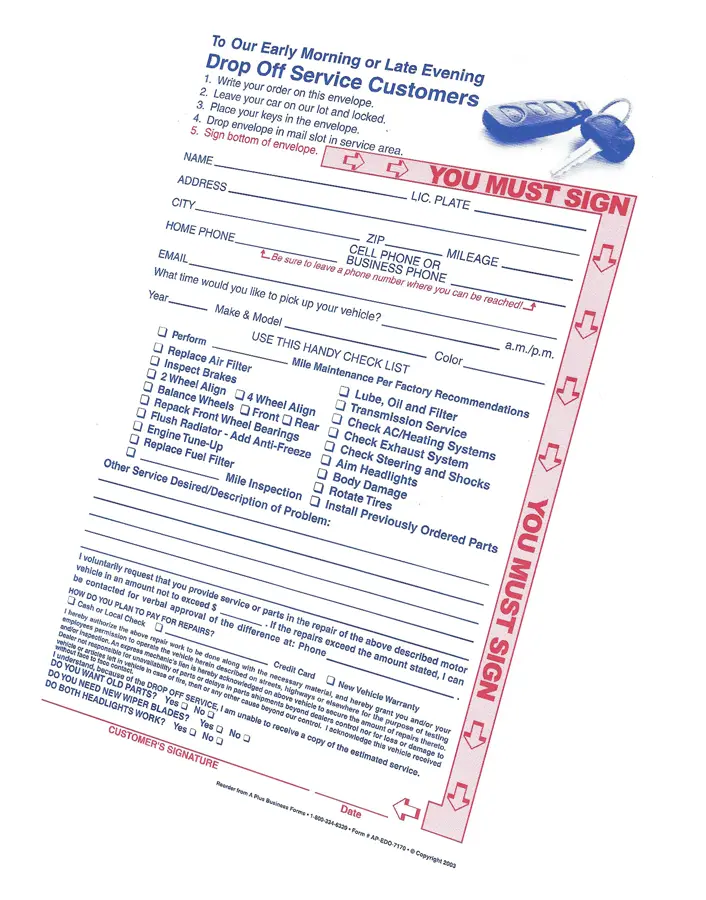
Pickup a form from our front door. Fill out what issues/services you need and follow the instructions.24/7 Secure Pickup
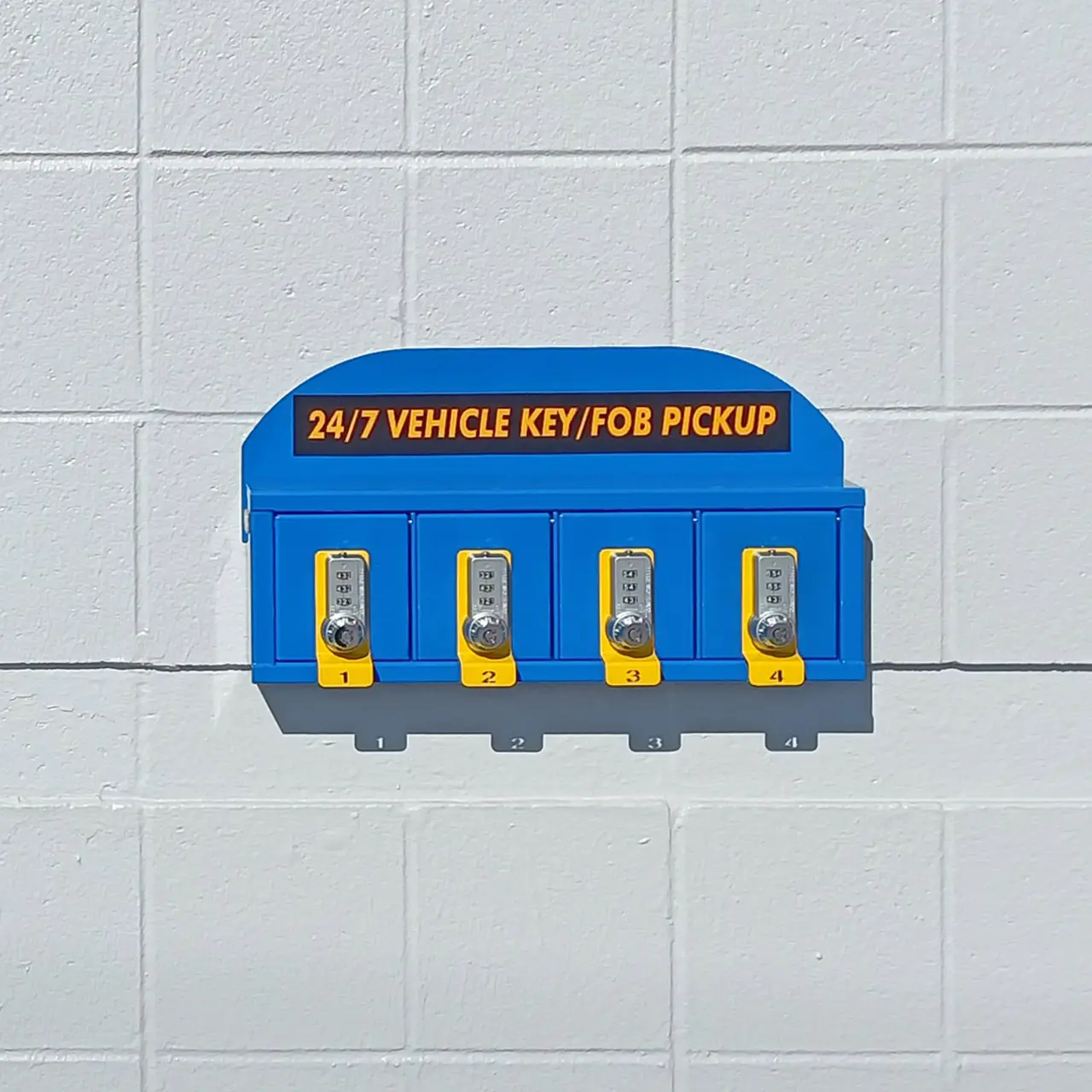
Get your serviced vehicle afterhours. Our secure key pickup is located outside our front door.50-point Digital Inspection
We provide a no-cost 50-point digital inspection on all oil changes with a text/email notification with full details.Parts & Labor Warranty
3 years or 36,000 mile nation-wide warranty on all new parts and labor.
FAQ
Post-Winter Brake Maintenance: DIY Tips for Spring CareHere are some common questions about Post-Winter Brake Maintenance: DIY Tips for Spring Care. For answers to additional questions specific to your needs, please contact us now by phone. We're happy to help!