Spring Car Maintenance Guide: Post-Winter Vehicle Care Tips
Apr / 26After enduring Northern Indiana's harsh winter conditions, your vehicle needs thorough spring car maintenance to ensure optimal performance and safety. The combination of road salt, temperature fluctuations, and challenging driving conditions can take a significant toll on various vehicle components. This comprehensive guide will help you identify and address common post-winter issues that affect vehicles in our region.
Essential Tire Inspection and Care
Winter driving conditions in Northern Indiana can severely impact tire condition and performance. Start your spring car maintenance by examining tire tread depth using the penny test – insert a penny into the tread with Lincoln's head facing down. If you can see the top of Lincoln's head, it's time for new tires. Check for uneven wear patterns, which may indicate alignment issues, suspension problems, or improper inflation during winter months.
Inspect sidewalls for cracks, bulges, or punctures that may have occurred from road debris or pothole impacts. Winter's freeze-thaw cycles can exacerbate existing tire damage. Verify proper tire pressure, as cold temperatures can cause significant pressure drops. Many vehicles lose 1-2 PSI for every 10-degree temperature drop, so spring warming may require pressure adjustments.
Critical Fluid Level Assessment
Fluid maintenance becomes crucial after winter exposure to extreme temperatures and road treatments. Check engine oil color and consistency – if it appears thick, dark, or contaminated, schedule an oil change immediately. Winter driving often involves more idling and short trips, which can accelerate oil degradation.
Examine coolant levels and condition, looking for rust, debris, or unusual coloration that might indicate system contamination. Brake fluid should appear clear to light amber – dark or cloudy fluid suggests moisture contamination, which is common after winter humidity and temperature changes. Power steering fluid, transmission fluid, and windshield washer fluid also require inspection and potential replacement.
Battery Health and Electrical System Check
Cold weather significantly impacts battery performance, making spring assessment essential for reliable vehicle operation. Clean battery terminals of any corrosion buildup, which appears as white, blue, or green powdery residue around connection points. This corrosion can develop rapidly in winter conditions and severely impact electrical connectivity.
Test battery voltage using a multimeter – a healthy battery should read 12.6 volts or higher when the engine is off. Consider professional battery and electrical services if your battery is more than three years old or showed signs of weakness during winter. Check alternator belt condition, as cold weather can cause rubber components to crack or stretch.
Comprehensive Brake Performance Evaluation
Northern Indiana's winter driving conditions put extra strain on braking systems through increased use of anti-lock braking systems and exposure to road salt. Listen for unusual noises when braking, including squealing, grinding, or clicking sounds that may indicate worn brake pads or rotor damage.
Inspect brake fluid levels and color – contaminated fluid can reduce braking efficiency and cause system corrosion. Test brake pedal feel by pressing firmly while the vehicle is parked – the pedal should feel firm and not sink toward the floor. Any sponginess or excessive travel may indicate air in brake lines or component wear requiring immediate attention.
Salt Damage Prevention and Treatment
Road salt used throughout Northern Indiana winters can cause extensive corrosion damage if not properly addressed during spring maintenance. Thoroughly wash the vehicle's undercarriage to remove salt residue from suspension components, exhaust systems, and frame members. Pay special attention to areas where salt and debris typically accumulate.
Inspect metal components for rust formation, particularly around wheel wells, door frames, and exhaust system connections. Apply protective treatments to vulnerable areas, and address any rust spots immediately to prevent spreading. Check rubber seals and weatherstripping around doors and windows, as salt exposure can accelerate deterioration of these components.
Weather-Related Wear Assessment
Temperature fluctuations and harsh weather conditions common in Northern Indiana winters can affect various vehicle systems beyond obvious components. Examine windshield wipers for cracking, tearing, or reduced effectiveness – winter ice and snow can damage wiper blades quickly.
Inspect exterior lights for moisture infiltration, cracks, or dimming that may have developed during winter months. Check air filter condition, as winter driving often involves more dust and debris exposure from road treatments. Examine belts and hoses for cracking, fraying, or softening that can result from repeated freeze-thaw cycles.
Professional Inspection Considerations
While many spring car maintenance tasks can be performed at home, certain inspections require professional expertise and equipment. Consider scheduling comprehensive vehicle inspections to identify issues that may not be immediately apparent to vehicle owners.
Professional technicians can perform detailed assessments of suspension components, steering systems, and exhaust components that experience significant stress during winter driving. They can also conduct computer diagnostics to identify any error codes or system malfunctions that may have developed during harsh weather conditions.
Afterhours Drop-off
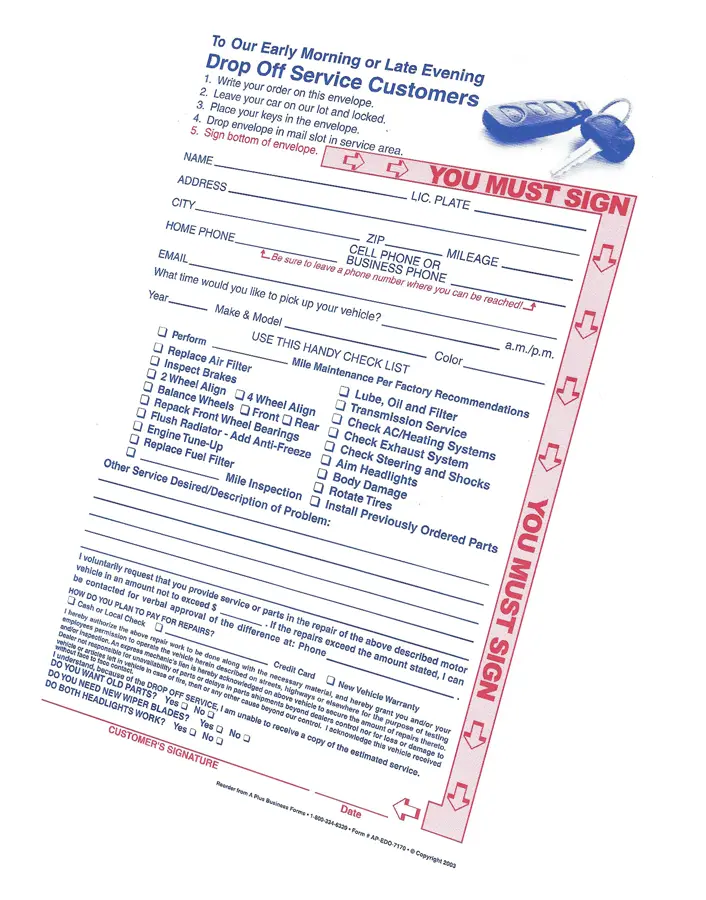
Pickup a form from our front door. Fill out what issues/services you need and follow the instructions.24/7 Secure Pickup
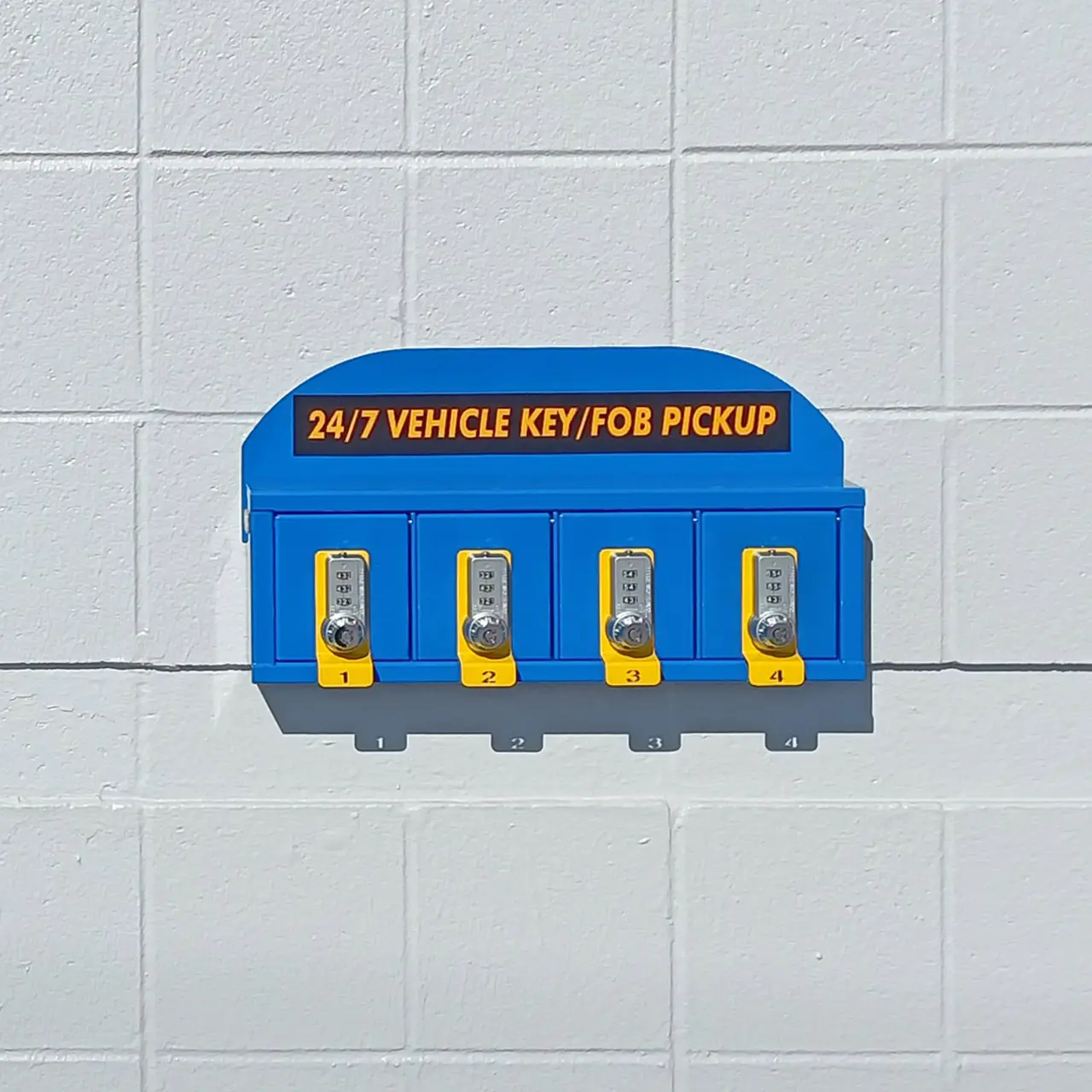
Get your serviced vehicle afterhours. Our secure key pickup is located outside our front door.50-point Digital Inspection
We provide a no-cost 50-point digital inspection on all oil changes with a text/email notification with full details.Parts & Labor Warranty
3 years or 36,000 mile nation-wide warranty on all new parts and labor.
FAQ
Spring Car Maintenance Guide: Post-Winter Vehicle Care TipsHere are some common questions about Spring Car Maintenance Guide: Post-Winter Vehicle Care Tips. For answers to additional questions specific to your needs, please contact us now by phone. We're happy to help!