Spring Vehicle Preparation Guide for Indiana Drivers
May / 26As winter's harsh grip loosens across Indiana, spring vehicle preparation becomes crucial for safe driving through the changing seasons. The transition from cold, snowy conditions to warmer, rainier weather presents unique challenges that require specific attention to your vehicle's key systems.
Windshield Wiper System Inspection
Winter weather takes a heavy toll on windshield wipers through ice scraping, snow removal, and temperature fluctuations. Inspect your wiper blades for cracks, tears, or hardened rubber that can streak across your windshield. Replace wipers that show signs of wear, as spring often brings frequent rain showers that demand clear visibility. Check the washer fluid reservoir and refill with a spring-appropriate formula that handles pollen and road grime effectively.
Tire Tread Assessment for Wet Weather
Proper tire tread depth becomes critical as spring rains create slippery road conditions throughout Indiana. Use the penny test to check tread depth: insert a penny into the tread groove with Lincoln's head facing down. If you can see the top of Lincoln's head, your tires need replacement. Adequate tread depth ensures proper water channeling and prevents hydroplaning on wet pavement. Additionally, inspect tires for winter damage such as sidewall cracks or irregular wear patterns that may have developed from pothole impacts or road salt exposure.
Air Conditioning System Preparation
Before Indiana's humid summer months arrive, your air conditioning service needs attention after months of dormancy. Turn on your AC system and listen for unusual noises, check for proper cooling, and ensure air flows consistently through all vents. Winter conditions can cause refrigerant leaks, clogged cabin air filters, or compressor issues that become apparent only when the system activates. Address these problems early to avoid uncomfortable driving conditions and costly emergency repairs during peak summer heat.
Addressing Winter Damage Promptly
Spring vehicle preparation must include a thorough assessment of winter-related damage before warmer weather exacerbates existing problems. Salt corrosion can weaken exhaust systems, brake lines, and suspension components over time. Temperature fluctuations may have caused rubber seals to crack or hoses to develop leaks. Schedule a complete car inspection to identify issues that could worsen with spring's temperature swings and increased driving activity.
Battery and Electrical System Check
Cold weather stresses your vehicle's battery and electrical components significantly. Test your battery's voltage and inspect terminals for corrosion buildup that can impede proper connections. Clean any white, powdery residue from battery posts and cables. Check that all lights function properly, as winter conditions often cause bulb failures or moisture infiltration in light housings.
Fluid Level Verification
Winter driving conditions can accelerate fluid consumption and contamination. Check engine oil for proper levels and consistency, as cold weather can cause oil to thicken and lose effectiveness. Inspect coolant levels and color, ensuring the mixture provides adequate protection for spring temperature variations. Brake fluid, power steering fluid, and transmission fluid should also be assessed for proper levels and signs of contamination that may have occurred during winter months.
Afterhours Drop-off
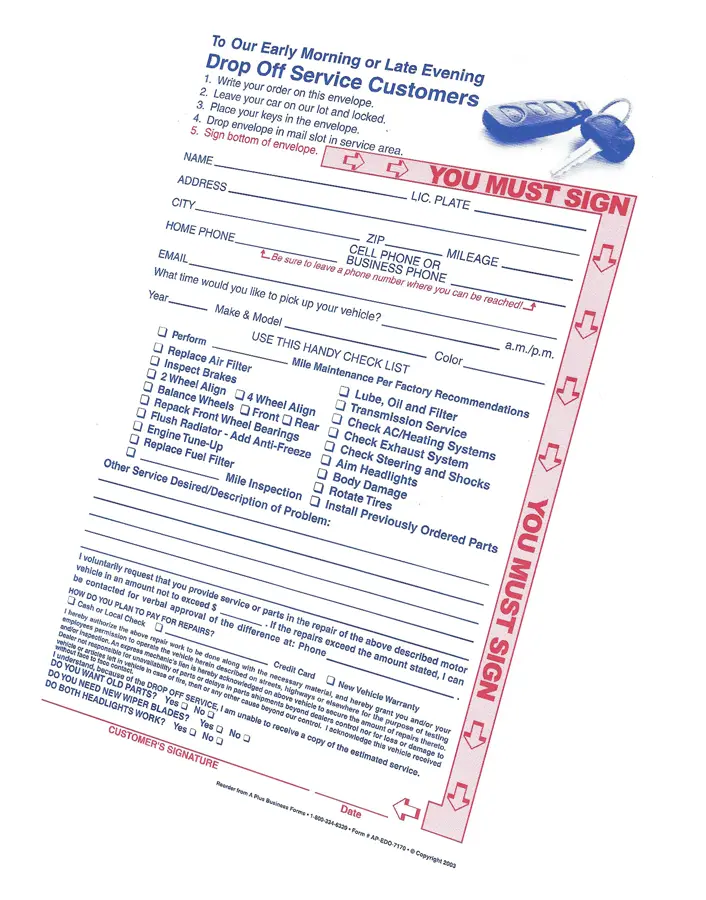
Pickup a form from our front door. Fill out what issues/services you need and follow the instructions.24/7 Secure Pickup
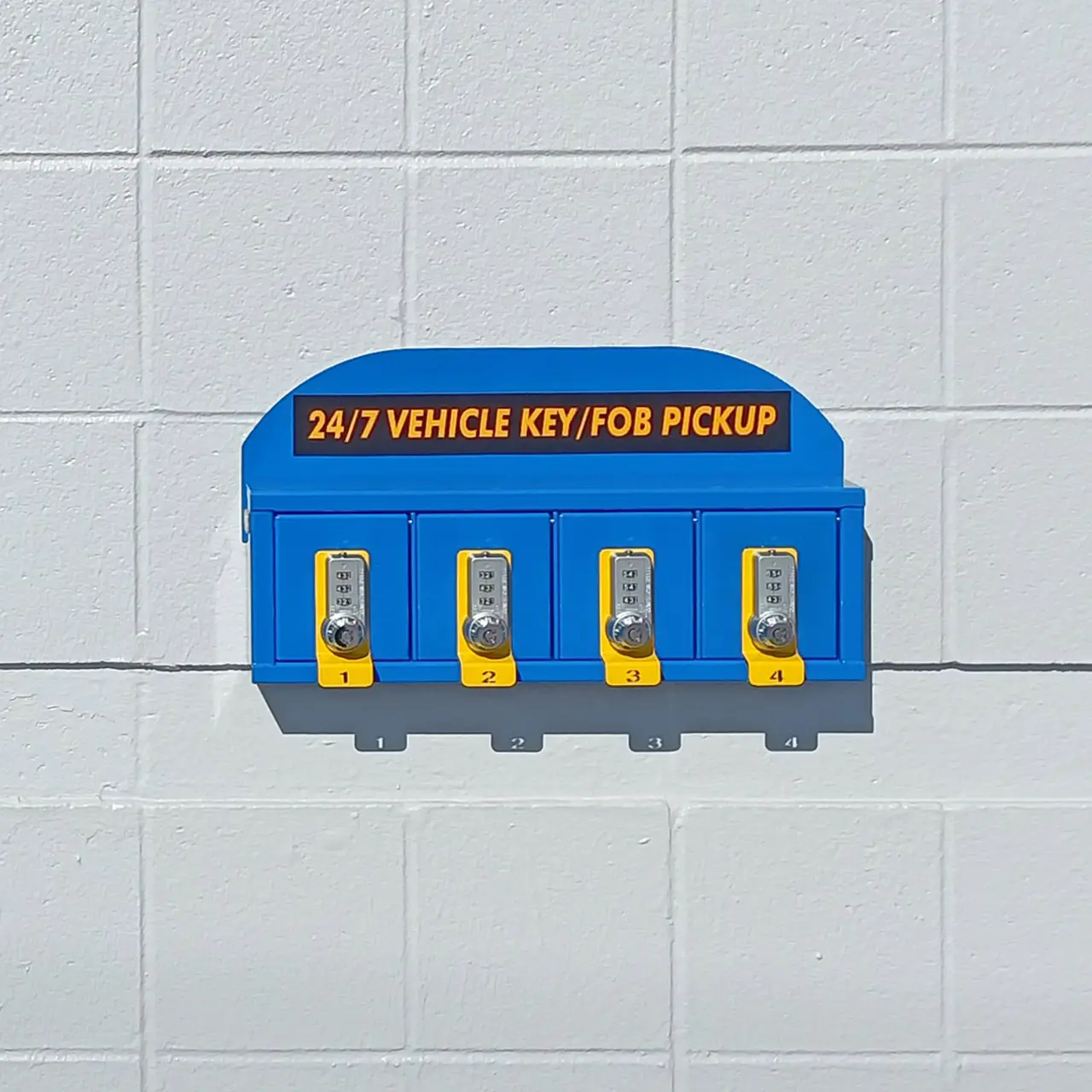
Get your serviced vehicle afterhours. Our secure key pickup is located outside our front door.50-point Digital Inspection
We provide a no-cost 50-point digital inspection on all oil changes with a text/email notification with full details.Parts & Labor Warranty
3 years or 36,000 mile nation-wide warranty on all new parts and labor.
FAQ
Spring Vehicle Preparation Guide for Indiana DriversHere are some common questions about Spring Vehicle Preparation Guide for Indiana Drivers. For answers to additional questions specific to your needs, please contact us now by phone. We're happy to help!