Car Fluid Check Indiana Summer: 5 Fluids to Watch
Aug / 26Why Summer Heat Hits Fluids Hard
Indiana summers push under-hood temperatures well past what most drivers expect. Ambient air temps in the 90s combined with stop-and-go traffic in South Bend or Mishawaka can push coolant temps and transmission temps into ranges where fluid chemistry starts to break down. Most fluids are engineered for a service life measured in miles or months, and heat accelerates both clocks.
Coolant: The Most Critical One to Watch
Coolant does two jobs: it pulls heat away from the engine block and it keeps the cooling system from corroding from the inside out. Over time, the corrosion inhibitors in the coolant deplete, and heat speeds that process up significantly. Check your coolant reservoir when the engine is cold. The fluid should be a clear green, orange, or pink depending on the formula your vehicle takes. If it looks rusty, brown, or has a greasy film on top, the coolant is past due for a cooling system flush.
Transmission Fluid: Heat Is Its Biggest Enemy
Automatic transmission fluid (ATF) lubricates clutch packs, bands, and valve bodies while also acting as a hydraulic fluid. At normal operating temps it handles the job fine, but sustained high temps cause ATF to oxidize and lose its viscosity rating. Pull the dipstick with the engine warm and running, wipe it on a white rag, and look at the color. New ATF is translucent red. Dark brown or black fluid with a burnt smell means the fluid has oxidized and the transmission is running hot without adequate protection.
Brake Fluid: Absorbs Moisture, Loses Boiling Point
Brake fluid is hygroscopic, meaning it absorbs moisture from the air over time. As water content rises, the boiling point of the fluid drops. In summer, when brakes are working harder on long highway drives or in hilly terrain, degraded fluid can boil inside the caliper and cause a spongy pedal or temporary brake fade. Check the reservoir under the hood. The fluid should be light yellow and clear. Dark, cloudy brake fluid means moisture contamination and it is time for a flush. Our full brake service includes a brake fluid inspection as part of the process.
Power Steering Fluid: Watch for Foaming and Leaks
Power steering fluid circulates through the pump, rack, and lines under pressure. Heat causes the fluid to thin, and if the fluid level is low, the pump cavitates and you will hear a whining noise when turning. Check the reservoir, which is usually a small translucent tank near the firewall. The fluid should be clear to light amber. Foamy or milky fluid means air or water has gotten into the system, and low level with no visible external leak often points to a weeping seal that gets worse in summer heat.
Windshield Washer Fluid: The One Drivers Ignore Until It Matters
Washer fluid seems minor until you are driving into the afternoon sun on I-80 with a bug-covered windshield. Summer washer fluid formulas are water-based and evaporate faster than winter blends, so the reservoir drains quicker than drivers expect. This one is a straightforward visual check at the reservoir cap. Use a summer-rated washer fluid rated for insect removal rather than plain water, which can leave mineral deposits on the glass and in the nozzle jets.
What You Can Check at Home
Most of these checks take under five minutes with the hood open. Check coolant and washer fluid cold. Check transmission fluid and power steering fluid warm. Use a white rag or paper towel for color checks on any fluid that comes off a dipstick. Anything that looks dark, smells burnt, or is below the minimum line on the dipstick or reservoir is worth getting looked at before the heat of August compounds the problem.
When a Professional Inspection Makes Sense
Visual checks tell you a lot but not everything. A refractometer gives an accurate freeze and boil protection reading for coolant. A brake fluid moisture tester tells you the actual water content percentage. If you are heading into fall with a vehicle that has not had a full fluid inspection this year, a shop check covers the things a driveway look cannot. Indiana drivers in the South Bend area dealing with summer heat followed by hard winters put real stress on every fluid in the vehicle, and catching degraded fluid in late summer is better timing than finding it when temperatures drop.
Afterhours Drop-off
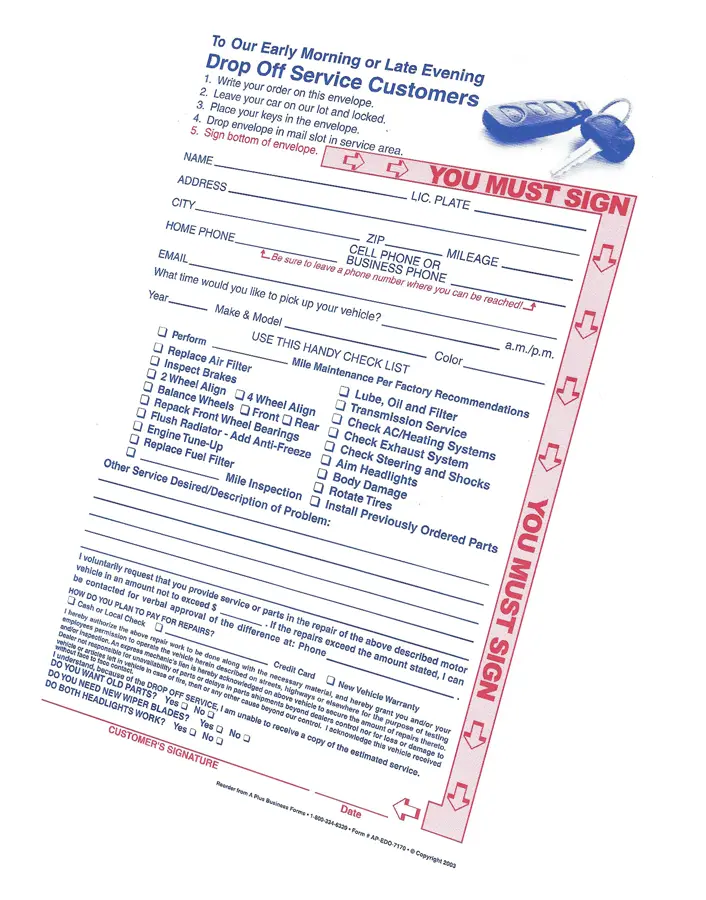
Pickup a form from our front door. Fill out what issues/services you need and follow the instructions.24/7 Secure Pickup
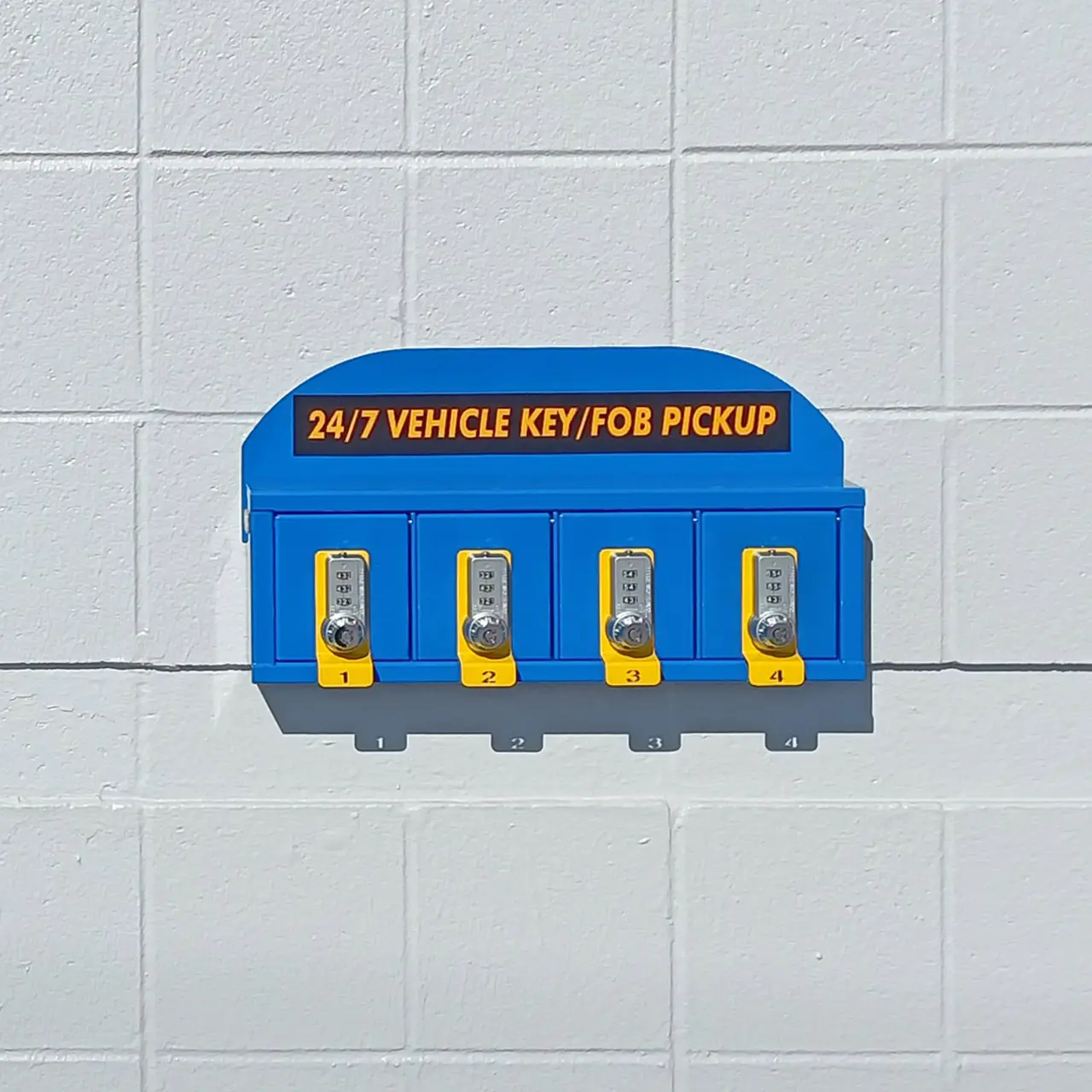
Get your serviced vehicle afterhours. Our secure key pickup is located outside our front door.50-point Digital Inspection
We provide a no-cost 50-point digital inspection on all oil changes with a text/email notification with full details.Parts & Labor Warranty
3 years or 36,000 mile nation-wide warranty on all new parts and labor.
FAQ
Car Fluid Check Indiana Summer: 5 Fluids to WatchHere are some common questions about Car Fluid Check Indiana Summer: 5 Fluids to Watch. For answers to additional questions specific to your needs, please contact us now by phone. We're happy to help!