Engine Overheating Prevention Indiana: Summer Guide
Sep / 26Why Indiana Summers Hit Cooling Systems Hard
Indiana's July and August heat isn't just uncomfortable for drivers. Ambient temps above 90°F push coolant operating temperatures closer to the danger zone, and stop-and-go traffic through South Bend and Mishawaka removes the airflow a radiator depends on to shed heat between cycles.
When a vehicle sits idling at a red light on a 95-degree afternoon, the radiator fan and coolant are doing all the work. Any weak point in that system, a low fluid level, a cracked hose, or a partially clogged radiator core, shows up fast under those conditions.
Coolant System Stress: What Actually Happens
Coolant degrades over time and loses its ability to raise the boiling point of the fluid mix. Old coolant that hasn't been flushed in two or three years may boil at a lower threshold than the manufacturer intended, which means the system hits its limit sooner on a hot day.
Pressure also builds faster in a stressed system. A radiator cap that no longer holds its rated pressure, typically 13 to 16 PSI on most passenger vehicles, allows coolant to boil off and escape through the overflow reservoir. Once fluid level drops, the engine temperature climbs quickly and you're looking at potential head gasket damage or a warped cylinder head.
Radiator Strain in Stop-and-Go Traffic
A radiator depends on airflow across its fins to transfer heat out of the coolant. At highway speed, that airflow is constant. In gridlock on Grape Road or during construction slowdowns on US-31, the electric cooling fan carries the full load. A fan motor that's starting to fail, or a fan clutch that slips on a mechanical setup, won't move enough air to keep temps stable.
Bugs, road debris, and bent fins also reduce radiator efficiency over time. A core that's 20 to 30 percent blocked transfers heat noticeably slower, and that difference matters most on the hottest days when the system has the least margin.
Pre-Summer Checklist for Indiana Drivers
Before long drives this summer, go through these checks. Each one targets a specific failure point in the cooling system.
Coolant level and condition: Check the overflow reservoir when the engine is cold. Fluid should sit between the MIN and MAX marks. If it's brown, rusty, or hasn't been flushed in over two years, the coolant needs to be replaced. A cooling system flush removes degraded fluid and deposits that reduce heat transfer.
Radiator cap condition: The cap seal hardens with age. A cap that doesn't hold pressure causes the system to lose coolant under heat load. Caps are inexpensive and easy to replace.
Upper and lower radiator hoses: Squeeze each hose when the engine is cold. A hose that feels soft and mushy, or one that has surface cracks, is close to failure. Hose failure at highway speed in summer heat causes rapid coolant loss and a fast overheat. Belt and hose replacement is straightforward preventative work that avoids a roadside breakdown.
Thermostat function: A thermostat stuck in the closed position is one of the most common causes of sudden overheating. If your temperature gauge climbs faster than normal after startup, the thermostat is worth testing.
Cooling fan operation: With the engine at operating temperature and the AC off, the electric fan should cycle on before the temp gauge reaches the high end of normal. If it doesn't, the fan motor, relay, or coolant temp sensor may be faulty.
Water pump condition: A weeping water pump seal or a worn impeller reduces coolant circulation. Signs include a small puddle under the front of the engine or a coolant smell with no visible external leak.
Oil level: Engine oil carries heat away from internal components that coolant doesn't reach directly. Running low on oil during summer heat increases thermal stress on bearings and cylinder walls.
What Drivers in Granger and Mishawaka Should Know
Vehicles that spend a lot of time on local surface streets, rather than highway miles, tend to accumulate more cooling system wear because the fan and coolant work harder per mile traveled. Granger and Mishawaka drivers who commute through town daily put more thermal cycles on their cooling systems than highway commuters do.
Older vehicles, anything over 100,000 miles, need these checks more urgently. Hoses, thermostats, and water pumps all have finite service lives, and summer heat accelerates failure in components that are already worn.
The Cost Difference Between Prevention and Repair
A cooling system flush, a new thermostat, and a set of hoses costs a fraction of what a warped head or a blown head gasket costs to repair. Head gasket work on most four-cylinder engines runs into the hundreds of dollars in labor alone, and on some V6 and V8 applications it's a multi-day job.
Catching a failing water pump or a weak radiator cap before the engine overheats keeps the repair simple and the vehicle on the road through the rest of the season.
Afterhours Drop-off
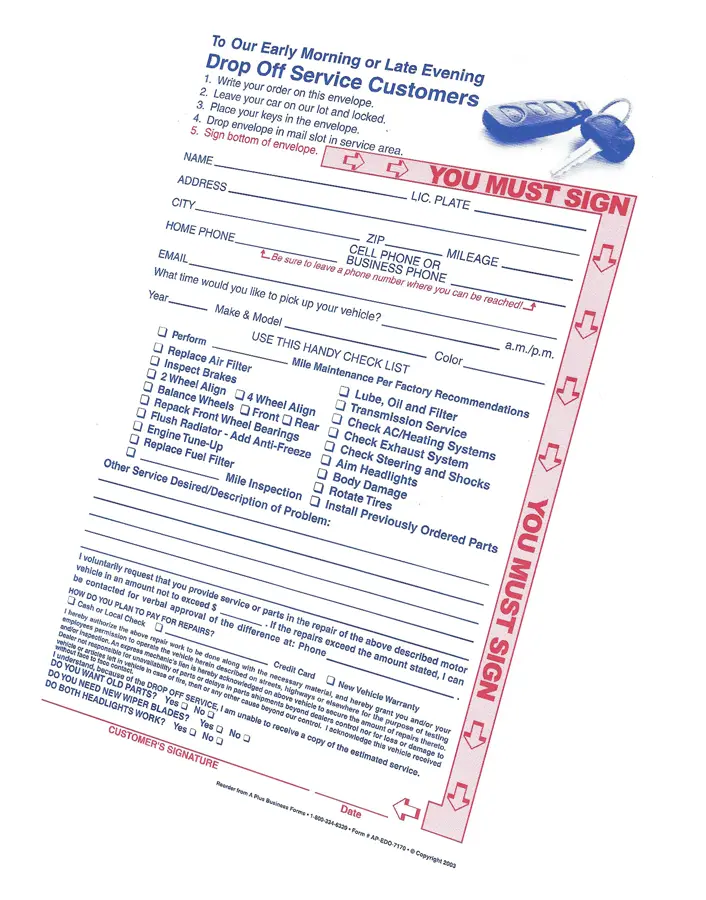
Pickup a form from our front door. Fill out what issues/services you need and follow the instructions.24/7 Secure Pickup
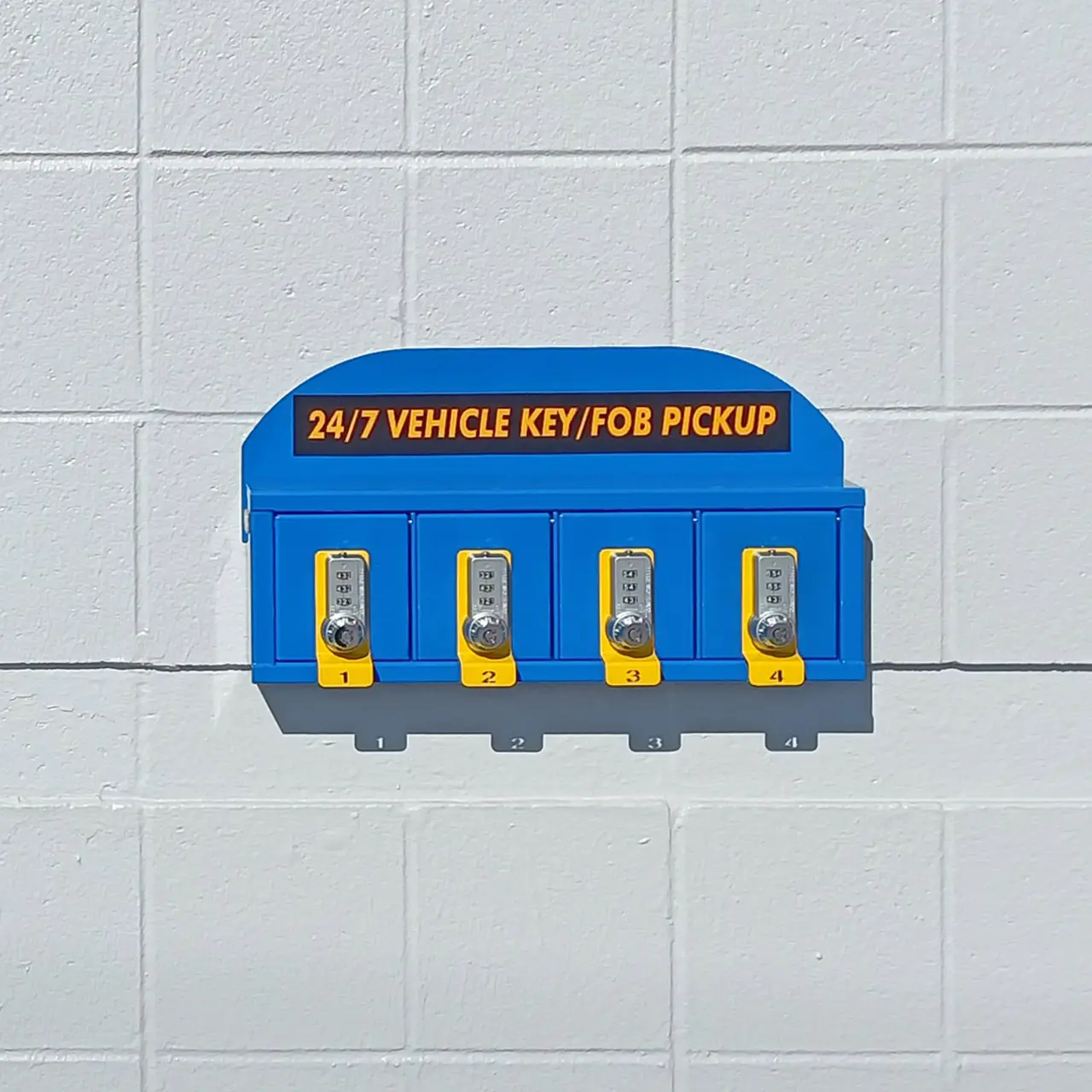
Get your serviced vehicle afterhours. Our secure key pickup is located outside our front door.50-point Digital Inspection
We provide a no-cost 50-point digital inspection on all oil changes with a text/email notification with full details.Parts & Labor Warranty
3 years or 36,000 mile nation-wide warranty on all new parts and labor.
FAQ
Engine Overheating Prevention Indiana: Summer GuideHere are some common questions about Engine Overheating Prevention Indiana: Summer Guide. For answers to additional questions specific to your needs, please contact us now by phone. We're happy to help!