Oil Change Interval Summer Heat: Indiana Driver Guide
Sep / 26Why Summer Heat Comes Up at Oil Changes
This is one of the most common questions we hear from drivers in June and July: does the heat mean they need to change their oil sooner? It's a fair question. Indiana summers push ambient temperatures into the 90s, and under-hood temps climb well past that once you factor in engine heat and stop-and-go traffic.
The short answer is that heat accelerates oil oxidation and thins the oil film that protects metal surfaces inside your engine. Whether that means you need a shorter interval depends on how you're actually driving the vehicle, not just the calendar.
How High Temperatures Affect Engine Oil
Motor oil works by maintaining a stable film between moving parts like the crankshaft bearings, camshaft lobes, and cylinder walls. Heat breaks down that film faster than normal. As oil oxidizes, it loses viscosity stability and starts to form deposits that restrict flow through narrow oil passages.
Modern multi-weight oils like 5W-30 or 0W-20 are formulated to handle a wide temperature range, but sustained high heat still shortens their effective service life. This is especially true for conventional oil. Full synthetic holds up better under thermal stress, which is one reason we recommend it for vehicles that run hot regularly.
Manufacturer Intervals vs. Real Indiana Summer Conditions
Your owner's manual gives you two intervals: a standard one and a severe-duty one. Most manufacturers define severe duty as frequent short trips, towing, extended idling, or dusty conditions. Indiana summer driving hits several of those at once for a lot of drivers.
Highway miles at steady speed are actually easier on oil than city driving. But a mix of highway runs, construction zone idling, and weekend towing puts your oil through more stress than the standard interval accounts for. If your manual says 7,500 miles under normal conditions but you're towing a boat trailer every other weekend, the severe-duty interval applies to you.
Extended AC Use and Engine Load
Running the air conditioning adds load to the engine through the compressor clutch, which keeps the engine working harder at idle and low speeds. That extra load raises oil temperature slightly and increases wear on components the oil is protecting. It's not dramatic on its own, but combined with summer heat and stop-and-go traffic, it's another reason oil degrades faster in summer than in mild spring conditions.
If your air conditioning system is working harder than it should because of a refrigerant issue or a worn compressor, the engine load goes up even more. A system running efficiently puts less strain on the engine overall.
Towing and Hauling in Summer Heat
Towing is the single biggest multiplier for oil stress in summer. When you're pulling a trailer up a grade on a hot day, oil temperatures can spike well above normal operating range. At that point, even a good full synthetic is working at the edge of its design envelope.
If you tow regularly between May and September, we recommend checking your oil level and condition mid-interval rather than waiting for the mileage to come up. Dark, thin oil that smells burnt needs to come out regardless of where the odometer sits.
Viscosity: Should You Go Heavier in Summer?
Most modern engines are designed around a specific viscosity grade, and running a heavier oil than specified can actually reduce flow to tight clearances in the valvetrain. Don't change viscosity grades based on the season unless your manufacturer lists an alternate summer spec or your engine is older and already showing wear-related oil consumption.
For most vehicles on Indiana roads, the manufacturer-specified viscosity in full synthetic is the right call year-round. The synthetic base stock handles summer heat better than conventional at the same grade. Switching to a heavier grade without a mechanical reason to do so can do more harm than good.
What to Discuss at Your Next Oil Service
When you bring your vehicle in for an oil and lube service, tell the technician how you've been using the vehicle since the last change. Mention towing, long idling sessions, short daily commutes, or any road trips. That context helps determine whether you're on the standard interval or the severe-duty one.
Also ask about your current oil type. If you're still on conventional and you're doing any towing or running in heavy summer traffic, it's worth discussing a switch to full synthetic. The technician can also check your oil level and condition on the spot if you have concerns before your scheduled interval is up.

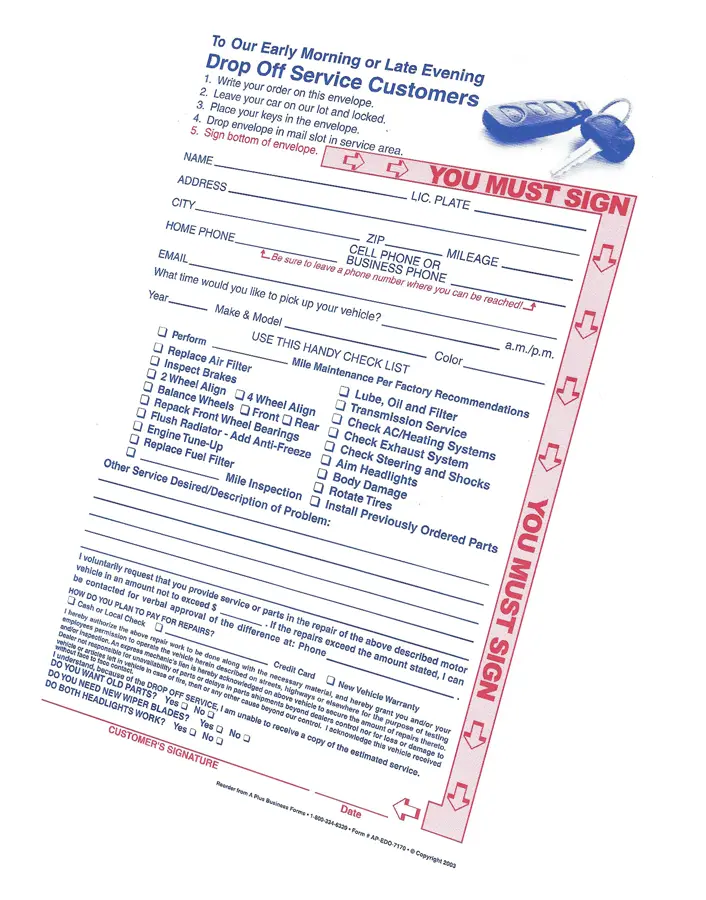
Afterhours Drop-off
Pickup a form from our front door. Fill out what issues/services you need and follow the instructions.24/7 Secure Pickup
Get your serviced vehicle afterhours. Our secure key pickup is located outside our front door.50-point Digital Inspection
We provide a no-cost 50-point digital inspection on all oil changes with a text/email notification with full details.Parts & Labor Warranty
3 years or 36,000 mile nation-wide warranty on all new parts and labor.
FAQ
Oil Change Interval Summer Heat: Indiana Driver GuideHere are some common questions about Oil Change Interval Summer Heat: Indiana Driver Guide. For answers to additional questions specific to your needs, please contact us now by phone. We're happy to help!