Back to School Car Maintenance South Bend Guide
Sep / 26Why Late Summer Is the Right Time to Check Your Vehicle
By the time August rolls around in South Bend, most vehicles have been through a full summer of heat-soaked commutes, road trips, and stop-and-go traffic near campus. That kind of use stresses brakes, belts, and cooling components in ways that don't always show up immediately. Getting a thorough look before school schedules kick back in means you're not diagnosing a problem on a Tuesday morning when you're already running late.
This is especially true for families running kids to multiple schools and for students returning to the Notre Dame area with vehicles that spent the summer somewhere else entirely. Different driving conditions mean different wear patterns, and a fresh set of eyes on the car before fall is worth the time.
Brakes: Summer Heat Takes a Toll
Brake pads and rotors take a beating in summer stop-and-go traffic, and heat accelerates wear on both the friction material and the rotor surface. If you're hearing a squeal, a grind, or feeling a soft pedal, those are signs the brake system needs attention before you're dealing with longer stopping distances in wet fall weather. Our full brake service covers pad replacement, rotor inspection, caliper function, and brake fluid condition in one visit.
Brake fluid absorbs moisture over time, which lowers its boiling point and reduces pedal feel. We check fluid condition as part of every brake inspection and replace it when it tests outside spec.
Belts and Hoses: Heat Cracks What You Can't See
Serpentine belts and coolant hoses degrade from the inside out, and summer heat speeds that process. A belt that looks fine on the outside can have internal cracking that leads to a snap with no warning. We inspect belt tension, surface condition, and the condition of idler pulleys and tensioners, because a worn tensioner will eat through a new belt fast.
Coolant hoses that feel soft, spongy, or show any exterior cracking need to come off before they fail. A burst hose on a hot August afternoon is a tow call and a potential overheating situation that can damage the engine. We cover both in our belt and hose replacement services.
Fluids: More Than Just Oil
An oil change is obvious, but late summer is also the right time to check coolant concentration, power steering fluid, transmission fluid, and brake fluid. Coolant that's lost its inhibitor package starts corroding the cooling system from the inside, which shows up as a heater core or radiator problem six months later. We test coolant with a refractometer and check inhibitor condition, not just the color.
Transmission fluid that's been run hard in summer heat often comes out darker than it should and may carry a burnt smell. That's a sign the fluid has broken down and needs to be exchanged before it causes shift problems in cold fall temperatures.
Lights and Electrical: Short Days Are Coming
Daylight hours drop fast once September hits, and a burned-out headlight or tail light that went unnoticed all summer becomes a visibility and safety issue quickly. We check all exterior lighting including brake lights, turn signals, reverse lights, and license plate lights, because those are the ones that get missed most often.
Battery condition matters here too. A battery that's been working hard to power AC all summer may test weak even if it hasn't failed yet. Cold fall mornings will expose that weakness before winter does. We load-test batteries and check the charging output of the alternator at the same time.
Wipers: Worn Blades in Rain Season
Wiper blades that sat in summer sun for three months are usually cracked, streaking, or skipping by the time fall rain starts. Indiana fall weather brings steady rain and the occasional early frost, and a blade that can't clear the windshield cleanly is a real problem at highway speed. Blade replacement is a quick swap, but it's one of the most commonly skipped items on any vehicle.
Also check washer fluid level and the condition of the nozzles. Clogged nozzles are common after a summer of sitting, and low washer fluid becomes a problem fast once road spray picks up in September and October.
Tires: Tread and Pressure After Summer Miles
Summer heat causes tire pressure to read higher than it actually is once the car cools down, which means underinflated tires are easy to miss. Check cold pressure against the door placard spec, not the number on the sidewall. We also measure tread depth at multiple points across the tire face, because uneven wear often points to an alignment or suspension issue that's been building all season.
If tread is getting close to the wear indicators, fall is not the time to put it off. Wet pavement requires more tread depth to maintain traction than dry summer roads do. We offer wheel alignment services if wear patterns or handling feel suggest the suspension geometry is off.
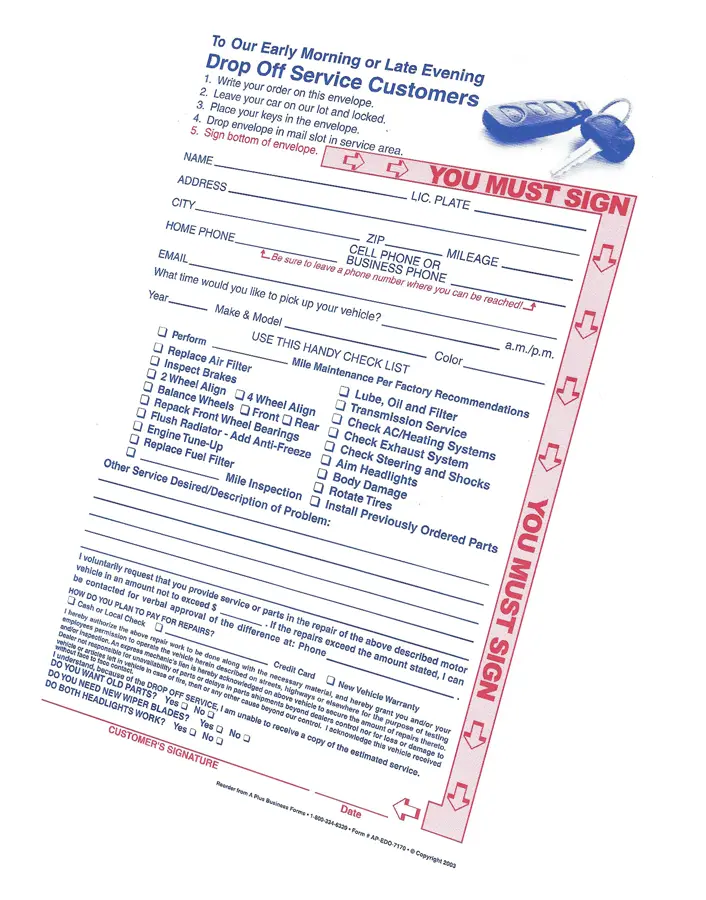
Afterhours Drop-off
Pickup a form from our front door. Fill out what issues/services you need and follow the instructions.24/7 Secure Pickup
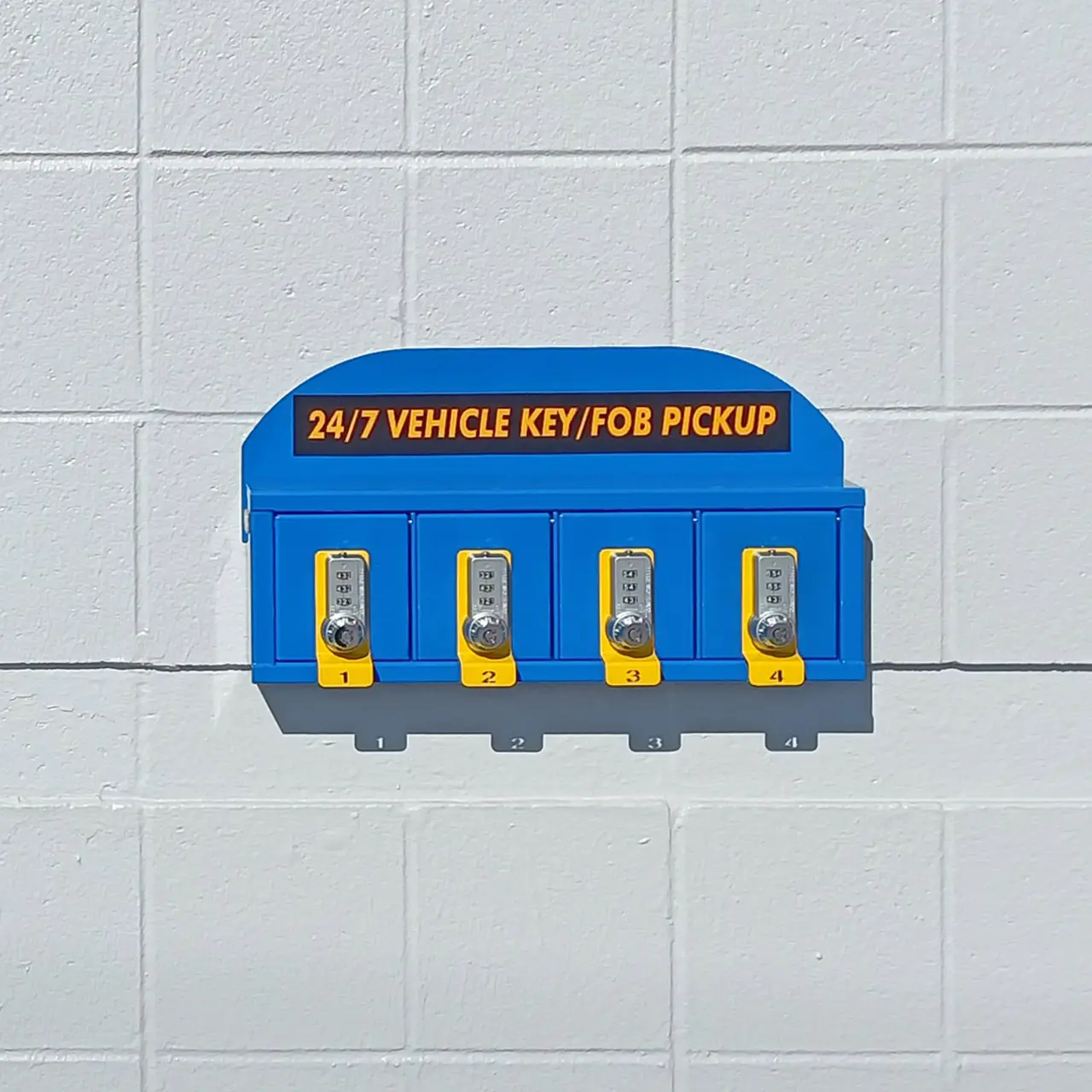
Get your serviced vehicle afterhours. Our secure key pickup is located outside our front door.50-point Digital Inspection
We provide a no-cost 50-point digital inspection on all oil changes with a text/email notification with full details.Parts & Labor Warranty
3 years or 36,000 mile nation-wide warranty on all new parts and labor.
FAQ
Back to School Car Maintenance South Bend GuideHere are some common questions about Back to School Car Maintenance South Bend Guide. For answers to additional questions specific to your needs, please contact us now by phone. We're happy to help!